
Though I was constantly working on myself—signing up for programs, taking courses, and pushing to “improve”—the truth was, trauma still had its grip on me. I began to isolate more and more. My self-talk grew harsh. I looked to outside relationships for validation and support, but they often fell short.
What I see now is that I was distracting myself from the harder work: feeling my feelings, facing the patterns in my life, and asking myself what I truly wanted.
Then, in 2020, everything stopped. The pandemic forced me to slow down. Curfews kept me inside. The only thing I felt safe doing each day was going for long walks outdoors.
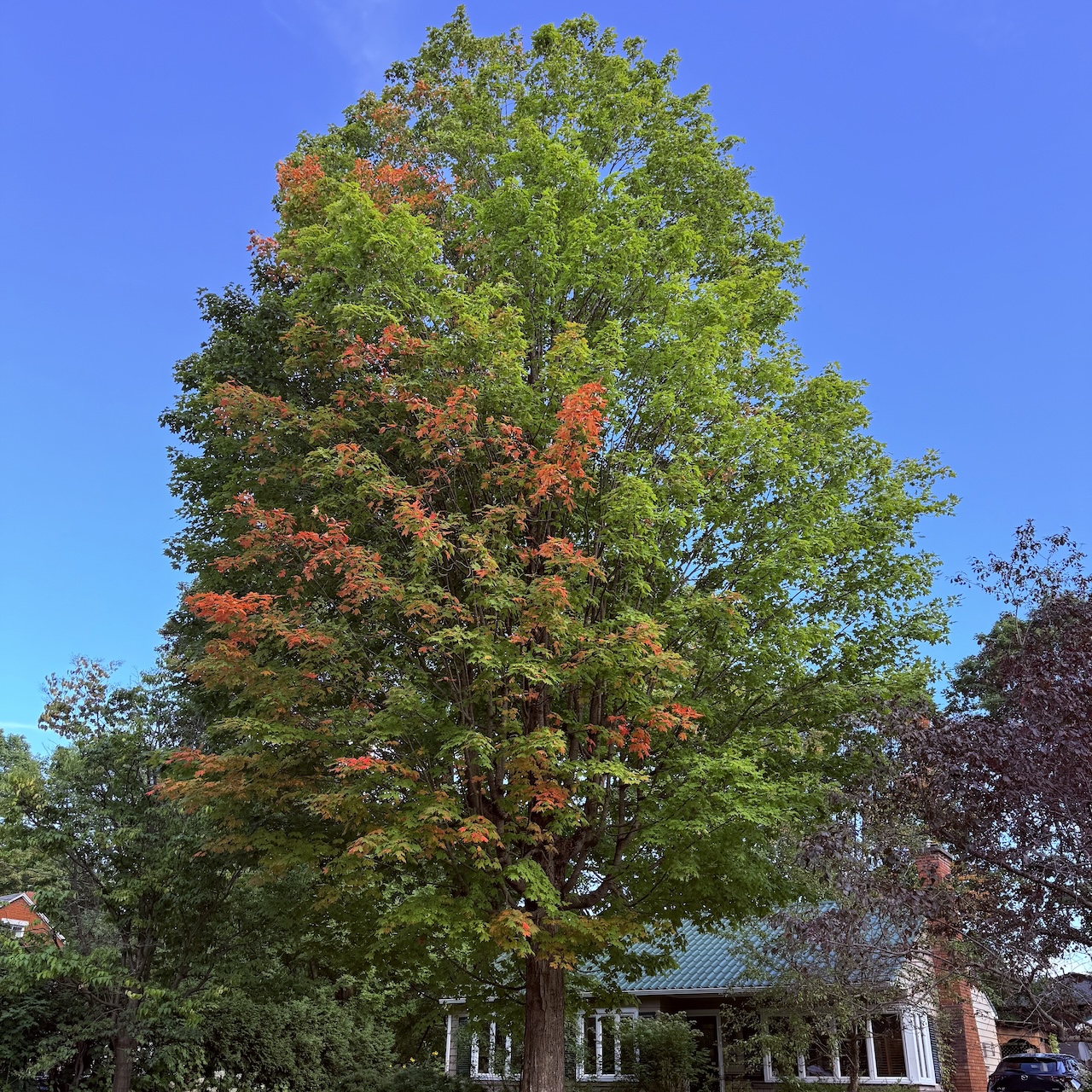
At the time, I was already trained as a nature therapy guide and a life coach—but those daily walks became my own personal lifeline. Forests, trees, birds, plants, and even the steady presence of my cats became anchors of connection during a season of disruption.
In nature, I began asking new questions:
- What do I actually want in this one life of mine?
- What am I gaining from playing small?
- What do I need to let go of in my relationships?
- How can I take better care of myself?
Slowly, I discovered that I didn’t need to rely on outside relationships to hold me up. I could build my own sense of belonging. Nature gave me a model for healthy attachment—steady, nourishing, but not demanding.
The Science of Nature and Belonging
Later, I learned that my experience wasn’t unique. Researchers at the University of Derby found that humanity’s connection to nature has declined by more than 60% since 1800—a shift they call an “extinction of experience.” This loss of connection doesn’t just hurt the environment; it directly affects our health, our trust in one another, and our sense of belonging.
Other studies support this link. A Canadian study found that people living near green spaces reported a stronger sense of community belonging, which was directly tied to lower stress and better mental health. And across the UK and Canada, doctors are beginning to prescribe time in nature—so-called “green prescriptions.” These programs have been shown to reduce anxiety, improve mood, and even boost physical activity, confirming what many of us feel instinctively: nature heals.
Psychology Today recently highlighted these same findings, noting that disconnection from nature fuels anxiety, loneliness, and fraying community ties. On the other hand, regular time in green or blue spaces is linked to lower stress, improved mood, better sleep, stronger cognition, and even increased social trust.
In other words: nature connection isn’t just “nice to have.” It’s fundamental to how we show up in our lives—with resilience, clarity, and the capacity to build healthy relationships.
A New Grounding
For me, daily connection with the natural world has become a non-negotiable. I can’t imagine my life without it.
- My anxiety and stress levels come down.
- My creativity and problem-solving improve.
- Awe and surprise bring joy and presence.
- Rumination lessens, and I feel steadier inside myself.
What’s more, nature connection became the doorway into other deliberate forms of self-care. It rippled into daily exercise (sometimes indoors, sometimes out), healthier eating, greater happiness, clearer life direction, and even more fulfilling relationships. In tending to my bond with nature, I was also tending to my bond with myself. Nature gave me the stability to begin again.

And research suggests these shifts aren’t just personal—they ripple outward. People who regularly engage with nature often report stronger pro-social behaviour, like generosity and trust, reinforcing how personal belonging fuels collective wellbeing.
This isn’t just about personal wellness. When we feel connected to the living world, we make different decisions—about our relationships, our communities, and even how we care for the planet.
An Invitation
If you’re craving steadiness, clarity, or a deeper sense of belonging, start with my free resource: 3 Simple Nature Practices for Daily Calm & Clarity.
It’s a guide you can use anytime—whether you have five minutes on your balcony or a whole hour in the forest.
When you reconnect with nature, you reconnect with yourself. Start today.

Sources
Curious to dive deeper? Here are some of the studies and articles that informed this post.
- University of Derby, Nature Connectedness Research Group (2023).
Retrieved from https://www.derby.ac.uk/research/nature-connectedness-research-group/ - Samuel, K. (2025, Aug 28). How Nature Creates Belonging. Psychology Today.
- Rugel, E. J. (2019). Exposure to natural space, sense of community belonging, and adverse mental health outcomes across an urban region. Based on Vancouver, Canada data.
- Health Canada. (2024, June 19). Nature prescribing: Emerging insights… Health Promotion and Chronic Disease Prevention in Canada, 44(6).
- Broom, D. (2022, Feb 21). What are green prescriptions and which countries offer them? World Economic Forum.
